Basic HTML Version


Fevers: When to
call your provider
If your baby feels too warm or is
very cranky, it’s time to reach for a
thermometer.
That’s especially true if your baby is
younger than 3 months. Anytime a baby this
young has a temperature of 100.4 degrees or
higher, a healthcare provider needs to know.
Chances are, your baby only has a cold or other
minor illness. But a fever in a newborn may be a sign
of something more serious, so don’t take chances. Call the
provider if your infant has a fever. And remember to always use
a rectal thermometer.
Also call the provider if your baby is:
ww
Older than 3 months and has a temperature of 101 or higher.
ww
Older than 6 months and has a temperature of 103 or higher.
Source: American Academy of Pediatrics
Need some ZZZs?
Newborn babies can sleep up to 18 hours
a day—so new moms and dads have
plenty of time to snooze, right?
Not necessarily, says the
National Sleep Foundation.
In fact, parents of infants
should plan ahead for some
sleep deprivation during
the first few months.
Unlike older children,
babies naturally sleep
in chunks throughout
the day—for up to three
hours at a time. Don’t
despair, though. There are
a few ways to help your
little one, and yourself, get
more sleep at night:
Play during the day.
Talking and playing with your
baby when he’s awake during the day can
help him sleep longer at night.
But don’t play all day: Infants still need
naps. When babies are overtired, they may
not fall asleep as easily at night.
Soothing sleep routines.
Try laying
your baby down when she’s drowsy and
letting her transition to sleep on her own.
When she wakes up in the night,
don’t respond immediately. Give her a
few minutes to try to fall back asleep.
From crying to calm.
Your baby
will wake up a few times during
the night to be fed or changed—
especially during the first few weeks.
To help him fall back asleep, keep
the room dark and quiet, and don’t
engage in play.
Additional source: American Academy of Pediatrics
All about
babies
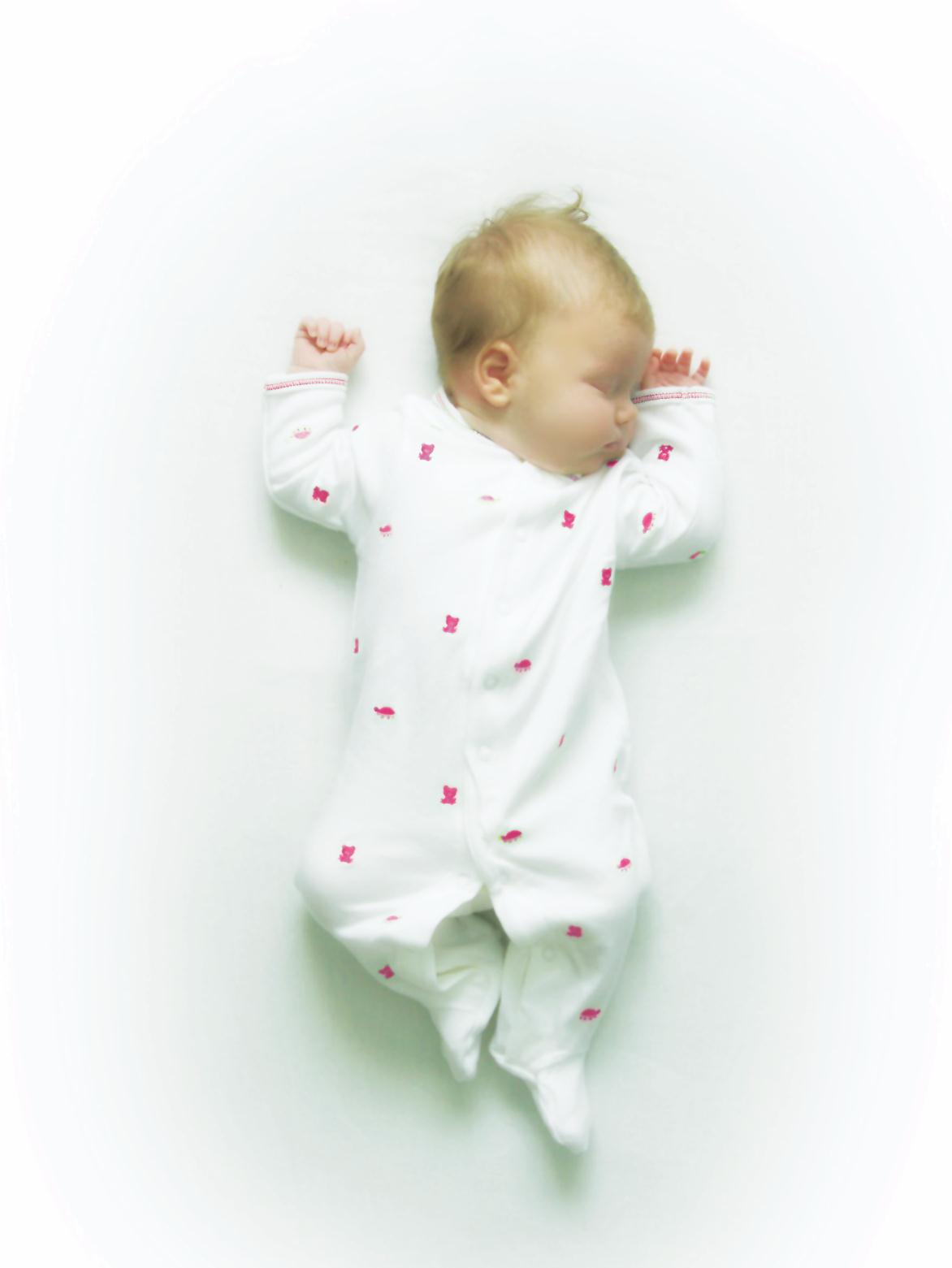
Back is best for baby
You’ve probably heard of sudden infant death syndrome
(SIDS). It’s when a baby younger than 1 year old dies sud-
denly and for no known cause.
Babies who sleep on their sides or
stomachs are at higher risk for SIDS
than babies who sleep on their
backs. So are babies who sleep
with soft or fluffy objects in
their cribs.
You can help protect your
baby from SIDS.
ww
Always put your baby to sleep
on his or her back. Make sure
anyone who takes care of your
child does the same.
ww
Keep items such as pillows,
stuffed animals and comforters
out of the sleeping area.
ww
Don’t smoke around your baby. Don’t
let anyone else do so either.
ww
Don’t let your baby get too hot. Keep the
sleeping area at a comfortable temperature.
Dress your baby in light sleepwear.
Source: National Institutes of Health
lifeand health
w
11
Your family deserves the best care. Call 877.364.4202 for a provider referral.
To learn more about our
physicians, services
and classes, visit
sharonhospital.com or
call 877.364.4202.